03 · Environment Intelligence
GAÏA : Environment Intelligence · Anemone
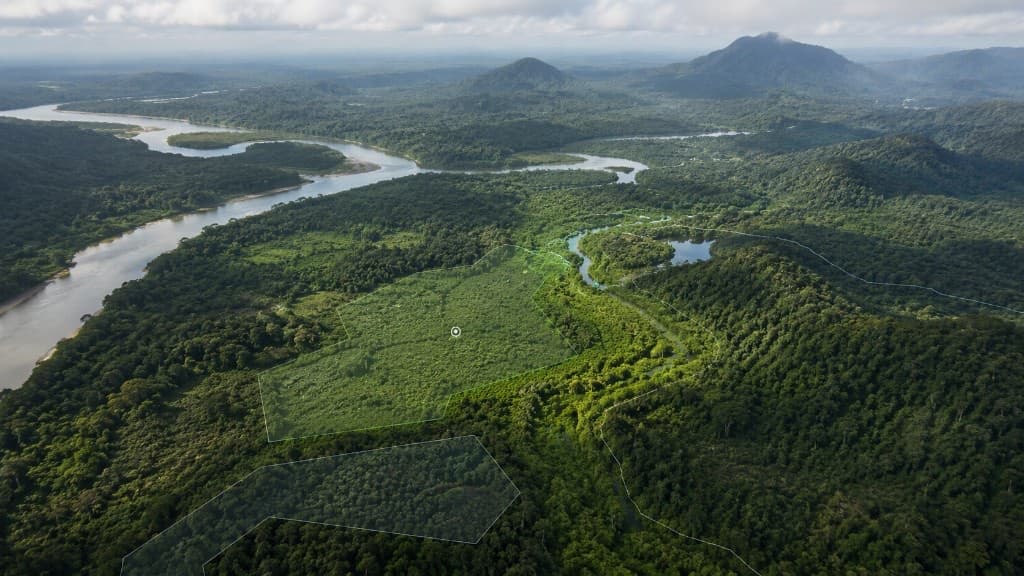
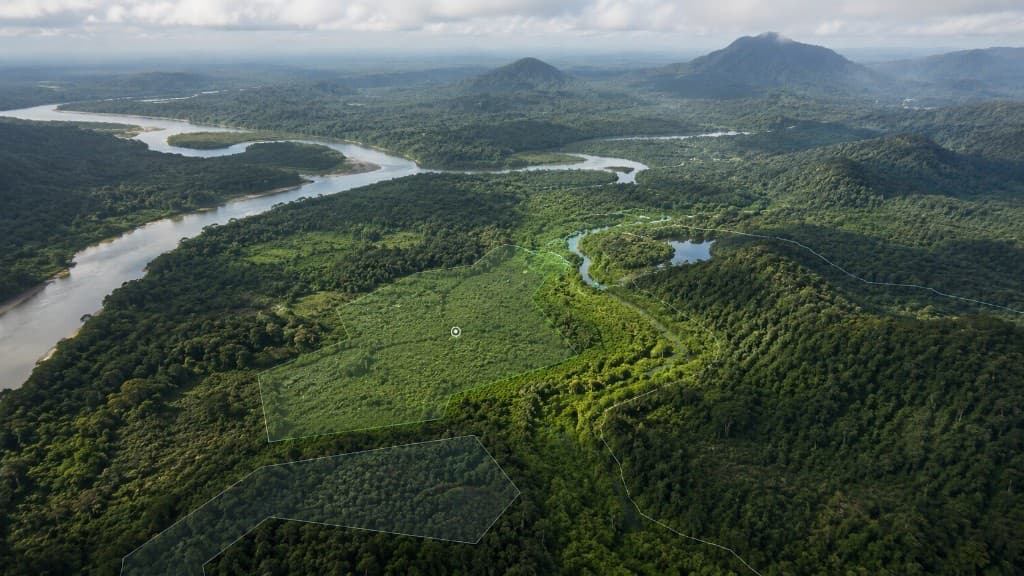
Map environmental dynamics, anticipate natural hazards and track how territories evolve.
ANEMONE industry software by Anemone that combines VHR imagery, SAR and environmental indicators for a continuous reading of ecosystems and risk zones.
The problem
When the territory changes faster than observation capacity.
Forests, catchments, coastal zones: pressures, hazards and drift accumulate while field campaigns stay episodic and fragmented.
- 01
Natural hazards
Floods, landslides, fires: signals spotted too late to anticipate.
- 02
Invisible dynamics
Deforestation, artificialisation, water stress evolve outside the operational radar.
- 03
Fragmented view
Imagery, sensors, reports and indicators in silos: no unified reading of the territory.
The Gaïa answer
An intelligence layer to map, anticipate and alert.
Gaïa unifies environmental reading: natural hazards, territorial dynamics, indicators and operational delivery, under your sovereignty.
- Continuous mapping of risk zones and pressures
- Alerts ranked by criticality, not noise
- Indicators shared between analysts and decision-makers
Data processing
How Gaïa ingests and processes data.
Gaïa runs on the ANEMONE pipeline: multi-source ingestion, spatio-temporal fusion, environment industry reasoning, then controlled delivery into your operations.
01
Ingestion
Optical and SAR VHR imagery, weather, hydrology, territorial layers, continuous, heterogeneous streams.
02
Fusion
Alignment, normalisation and a single foundation: coherent territorial truth at every scale.
03
Detection & scoring
Natural hazards, pressures and drift, scored against exposure and environmental criticality.
04
Operational alerts
Secure delivery to dashboards, APIs and field teams, private cloud or on-premise.
What Gaïa delivers
Capabilities built for environmental reading.
Restricted access
Built for those who keep the pulse of the territory.
Gaïa is not another dashboard. It is an ANEMONE intelligence layer to anticipate environmental risks.